
Everyone can be Formidable.
Life will present moments that challenge us, change us and shape who we become. While we can't always choose the circumstances we face, we can choose how we respond—and in doing so, begin to create a blueprint for the future we want.
Formidable was founded on the belief that people deserve thoughtful support at those pivotal moments. Through coaching and mediation, we help individuals and organisations navigate complexity, resolve conflict, strengthen relationships and make intentional choices about what comes next in their lives.
Because being formidable isn’t about being fearless or having all the answers. It’s about recognising your own agency, having the courage to act with intention and creating your own blueprint when life doesn’t hand you one.
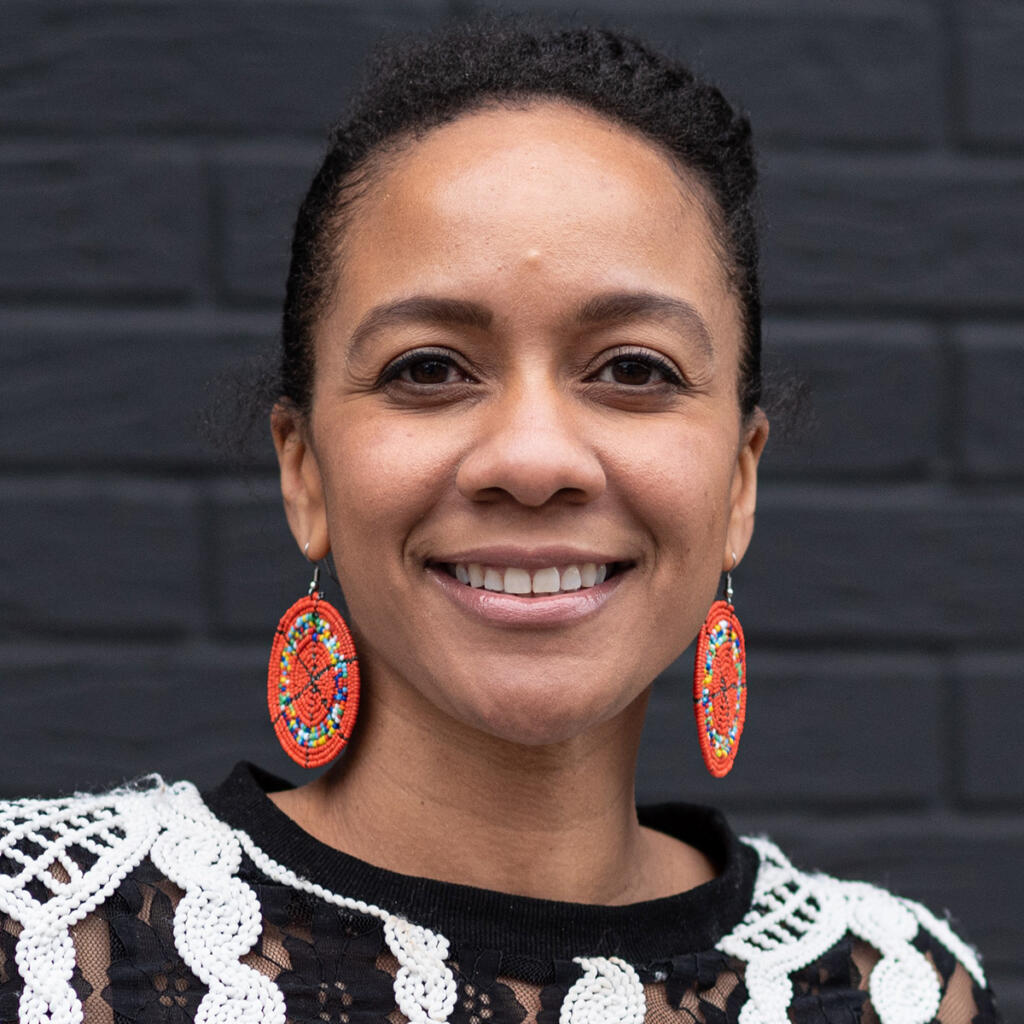
Natalie Creary
She/Her
Natalie is an accredited executive coach, mediator, researcher and organisational leader with more than 20 years’ experience helping people and organisations navigate complexity, conflict and change. Her career has spanned executive leadership, systems change, public health, philanthropy, organisational development and academia. She has advised senior leaders, shaped national policy and practice, led complex partnerships and delivered transformational programmes across the UK and Europe, tackling challenges including health inequalities, racial justice and organisational transformation. Alongside her executive career, Natalie serves in a number of board and governance roles, bringing strategic oversight and independent challenge to organisations committed to creating positive social impact.
Today, Natalie brings that breadth of experience to coaching and mediation, working with individuals and organisations to strengthen relationships, navigate conflict and lead through change. Known for her thoughtful, calm and challenging approach, she helps people to stretch their thinking, identify new possibilities and build the confidence to navigate complexity and make meaningful choices.
FAQs

How do I get started?
The process begins with a Chemistry Call to explore your goals, understand your situation and discuss what you’re hoping to achieve. Together, we’ll consider whether coaching or mediation is the most appropriate approach and answer any questions you may have before deciding whether to move forward.
Is everything discussed in coaching and mediation confidential?
Yes. Coaching and mediation are confidential processes, subject to a small number of legal, ethical and safeguarding exceptions where disclosure may be required. We’ll explain
confidentiality fully before we begin working together.
I'm not sure whether I need coaching or mediation.
You don’t need to know before getting in touch. During your Chemistry Call, we’ll take the time to understand your situation and explore what you’re hoping to achieve. If
coaching, mediation or a combination of both would be beneficial, we’ll explain your options and recommend the approach that’s best suited to your circumstances.
Can coaching support major life transitions?
Yes. Coaching can support individuals and couples navigating significant life changes such as becoming parents, children leaving home, retirement, caring responsibilities, career
changes, relocation or changing priorities.
Is relationship coaching only for couples experiencing serious difficulties?
Not at all. Many couples seek coaching because they want to strengthen their relationship, navigate change, reconnect or create space for important conversations. Coaching
isn’t only for relationships in crisis—it’s also an opportunity to invest in your relationship and the future you’re building together.
Is coaching suitable where there is abuse or harm in the relationship?
Coaching is designed to support reflection, communication, understanding and relationship growth. However, coaching isn’t appropriate where there is ongoing abuse, coercion,
intimidation, fear or emotional or physical harm within the relationship.
Where concerns about safety are present, a different form of specialist support may be more appropriate. If this becomes apparent during the coaching process, we’ll discuss whether coaching remains suitable and explore alternative sources of support.
If you’re experiencing abuse or feel unsafe, you don’t have to face this alone. Organisations such as Refuge, Women’s Aid, Men’s Advice Line, Galop and local domestic abuse
services can provide specialist support.
Is coaching suitable where there is abuse or harm in the relationship?
Coaching is designed to support reflection, communication, understanding, and relationship growth. However, coaching is not suitable or recommended
in situations where there is ongoing abuse, coercion, intimidation, fear, or emotional or physical harm within the relationship.
Where concerns about safety or abuse are present, a different form of specialist support may be more appropriate. If this emerges during the process, we may pause or reconsider whether coaching remains suitable and discuss alternative sources of support where appropriate.
If you are experiencing abuse, harm or feel unsafe within your relationship, you do not have to navigate this alone. You may find support from organisations such as Refuge, Women’s Aid, Men’s Advice Line, Galop or local domestic abuse services in your area.
What is mediation?What is mediation?
Mediation is a confidential and voluntary process that helps people have constructive conversations and work towards resolving disagreements with the support of an impartial mediator. Rather than deciding who’s right or wrong, mediation helps those involved explore solutions that work for everyone wherever possible.
How do I know if mediation is right for me?
Mediation may be appropriate if you’re involved in a dispute or conflict and would like to find a constructive way forward without relying on formal legal proceedings or ongoing conflict.If you’re unsure, we can discuss your circumstances during your initial consultation and help you decide whether mediation is the right approach.
Do both people have to agree to mediation?
Yes. Mediation works best when everyone chooses to participate voluntarily. If one person isn’t ready to engage, coaching may be a more appropriate place to start while you consider your options.
Will I have to be in the same room as the other person?
Not necessarily. Mediation can take place online or in person. Where appropriate, separate private meetings can be used so that parties don’t need to remain in the same room throughout the process.
How long does mediation take?
This depends on the nature and complexity of the dispute. Some matters can be resolved in a single session, while others benefit from a series of meetings. We’ll discuss the likely process during your initial consultation.
Will you tell us what to in mediation?
No. As mediators our role is to remain impartial and facilitate constructive conversations, not to take sides or make decisions on your behalf. Instead we help you explore options, improve understanding and work towards your own solutions.
Is mediation legally binding?
Mediation itself is voluntary. If an agreement is reached, it can be recorded in writing and, depending on the circumstances, may become legally binding if both parties choose to formalise it with appropriate legal advice.
Can I still seek legal advice?
Absolutely. Mediation doesn’t replace independent legal advice. Many people seek legal advice before, during or after mediation to help them make informed decisions.
What happens if we don't reach an agreement?
Mediation has a high success rate but not every mediation results in a full agreement, but many people still find the process valuable. Mediation can improve understanding, clarify the issues, reduce conflict and help identify constructive next steps, even where a complete resolution isn’t reached.
One suggestion